
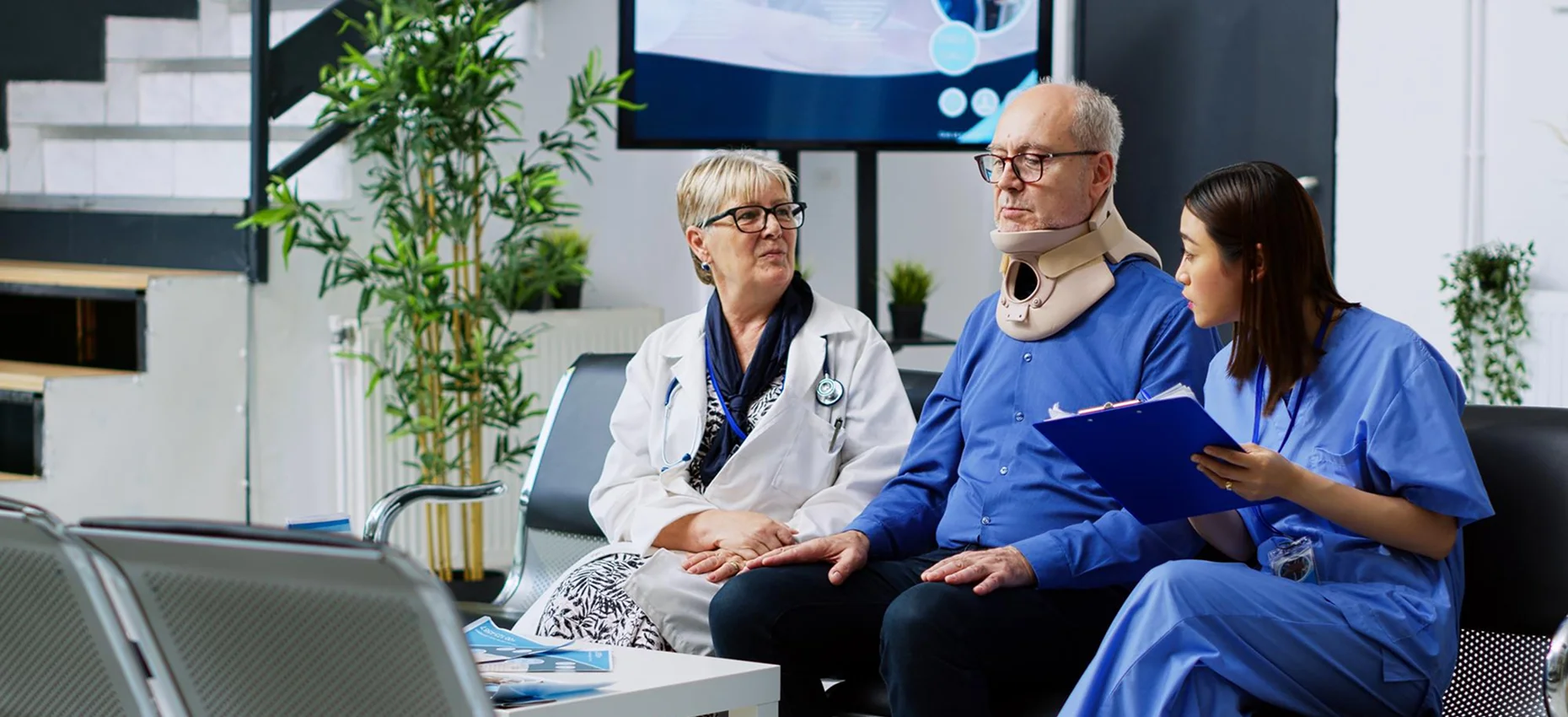

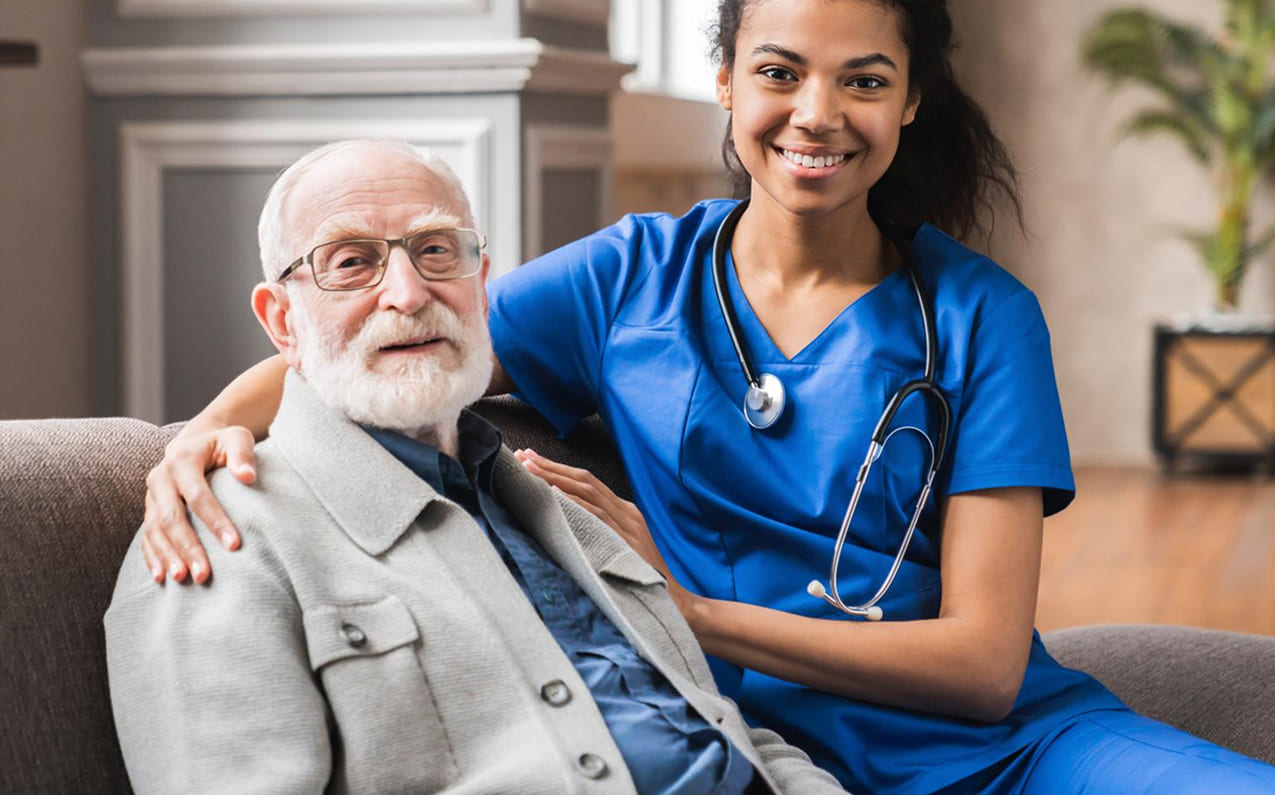
As the global population continues to age, the demand for skilled healthcare professionals specializing in elderly care has never been higher. Geriatric care focuses on meeting the unique physical, emotional, and social needs of older adults, helping them maintain their health, dignity, and quality of life.
In 2026, geriatric care has become one of the fastest-growing sectors in healthcare, creating excellent career opportunities for trained professionals worldwide.
What is Geriatric Care?
Geriatric care is a specialized field of healthcare dedicated to the assessment, treatment, and support of elderly individuals. It involves managing age-related health conditions, promoting independence, and providing compassionate care to improve overall well-being.
Healthcare professionals in this field work closely with seniors to address their medical, psychological, and daily living needs.
Why Geriatric Care Training is Important
Growing Elderly Population
People are living longer than ever before, resulting in a significant increase in the elderly population worldwide. This has created a strong demand for healthcare professionals trained in senior care.
Specialized Healthcare Needs
Older adults often face multiple health conditions, including:
- Diabetes
- Heart disease
- Arthritis
- Dementia
- Alzheimer’s disease
- Mobility challenges
Geriatric care training equips healthcare professionals with the knowledge and skills needed to manage these complex conditions effectively.
Improving Quality of Life
Proper elderly care goes beyond medical treatment. It focuses on maintaining independence, emotional well-being, social engagement, and overall quality of life for senior citizens.
Supporting Families
Trained geriatric caregivers provide valuable support to families by ensuring their loved ones receive safe, professional, and compassionate care.
Key Skills Learned in Geriatric Care Training
A comprehensive geriatric care training program typically covers:
Patient Care Fundamentals
- Personal hygiene assistance
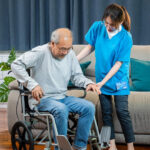
- Mobility support
- Nutrition and hydration management
- Medication assistance
Elderly Health Management
- Understanding age-related diseases
- Monitoring vital signs
- Recognizing medical emergencies
- Preventive healthcare practices
Communication Skills
- Effective interaction with elderly patients
- Emotional support techniques
- Family communication and counseling
Safety and Rehabilitation
- Fall prevention strategies
- Safe patient handling
- Rehabilitation support
- Home care best practices
Career Opportunities in Geriatric Care
The growing demand for elderly care professionals has opened a wide range of career opportunities, including:
Geriatric Caregiver
Providing direct care and daily support to elderly individuals in homes and healthcare facilities.
Healthcare Assistant
Assisting nurses and medical teams in hospitals, clinics, and long-term care centers.
Elderly Care Support Worker
Supporting seniors with daily activities while promoting independence and well-being.
Home Healthcare Professional
Delivering personalized care services to elderly patients in their own homes.
Assisted Living and Nursing Home Caregiver
Working in residential care facilities dedicated to senior citizens.
Global Demand for Geriatric Care Professionals
Many countries are actively recruiting trained elderly care professionals due to aging populations and healthcare workforce shortages.
Popular destinations include:
- Singapore
- Germany
- United Kingdom
- Australia
- Canada
- Japan
These countries offer attractive salaries, career growth opportunities, and international work experience for qualified caregivers and healthcare assistants.
Benefits of Choosing a Career in Geriatric Care
- High demand and job security
- Opportunities for international placements
- Meaningful and rewarding work
- Career growth within healthcare
- Competitive salaries and benefits
- Ability to make a positive impact on people’s lives
The Future of Elderly Care
The elderly care sector is expected to continue growing significantly over the next decade. Advances in healthcare, increased life expectancy, and changing family structures will further increase the need for trained geriatric care professionals.
Healthcare organizations worldwide are investing in specialized training programs to ensure seniors receive the highest standard of care.
Conclusion
Geriatric care training plays a crucial role in modern healthcare by preparing professionals to meet the unique needs of an aging population. With increasing global demand and excellent career prospects, it offers a rewarding pathway for individuals who are passionate about helping others.
For aspiring healthcare professionals, gaining specialized training in geriatric care can open doors to stable employment, international career opportunities, and the chance to make a meaningful difference in the lives of elderly individuals and their families.